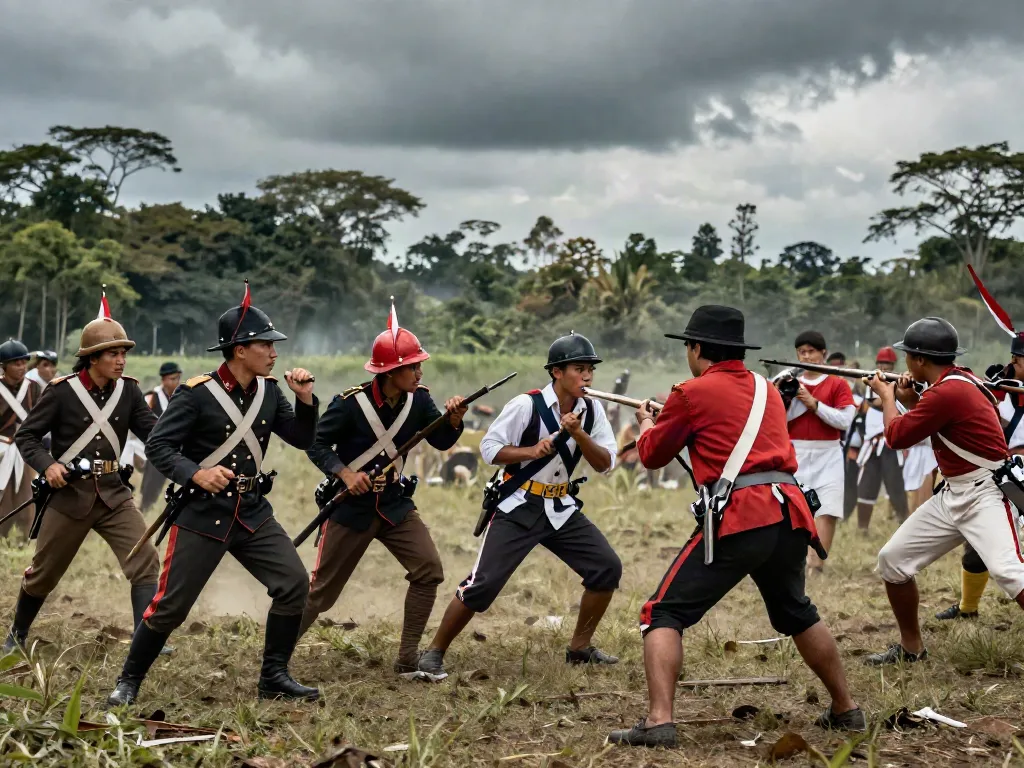
Understanding the Dutch-Indonesian War
The conflict between the Dutch and Indonesia represents a pivotal chapter in the history of colonialism. Understanding the Dutch-Indonesian War necessitates an exploration of the complex relationships and events that shaped this period. This article will delve into significant historical contexts, key events that led to the conflict, and the roles played by various figures throughout the struggle for independence. Through this exploration, readers can appreciate the depth of the struggle and its lasting effects on both nations. When exploring options, rokok88 login provides comprehensive insights into this crucial historical narrative.
Historical Context of Colonialism
The Dutch colonial rule in Indonesia began in the early 17th century with the establishment of the Dutch East India Company (VOC). This era marked the start of a long and often brutal colonial period where exploitation and resource extraction were commonplace. Indonesia, rich in natural resources such as spices, sugar, and coffee, became a prime target for colonial ambitions, leading to the solidification of Dutch control over various islands. Understanding this historical backdrop is vital to grasp the motivations behind the conflicts that ensued.
Key Events Leading to the Conflict
Several key events set the stage for the Dutch-Indonesian War, including the rising nationalist sentiments among the Indonesian populace and the global shift in attitudes toward colonialism post-World War II. The first significant event was the Japanese occupation of Indonesia during WWII, which disrupted Dutch control and allowed local leaders to galvanize support for independence. The end of the war in 1945 ignited a surge in national consciousness, leading to a proclamation of independence by Sukarno and Hatta, which was met with fierce resistance from the Dutch aiming to re-establish their dominance.
Significant Battles and Strategies
The Dutch-Indonesian War included numerous engagements that exemplified the struggle between colonial forces and indigenous aspirations. Central to this fight were not only military confrontations but also the strategies employed by both sides to gain the upper hand. Let us examine some of the major battles, the military tactics employed, and the decisions made by leaders that influenced the war's trajectory.
Major Engagements and Their Outcomes
One of the first significant battles was the Battle of Surabaya in November 1945, where Indonesian forces, supported by local citizens, fought fiercely against Dutch troops attempting to reclaim control of the city. This battle exemplified the rising tide of nationalism and local resistance, as the Indonesian fighters displayed remarkable tenacity despite being heavily outgunned. The aftermath saw increased international attention towards the Indonesian cause, as reports of civilian casualties drew global condemnation of the Dutch actions.
Military Tactics Used in the Conflict
On both sides, unique military strategies were employed. The Dutch relied heavily on their superior firepower and organized military formations, often conducting large-scale operations to suppress uprisings. Conversely, the Indonesian forces utilized guerrilla tactics, leveraging their knowledge of the local terrain to launch ambushes and disrupt Dutch supply lines. This asymmetrical warfare became a hallmark of the conflict, showcasing the resilience and ingenuity of the Indonesian fighters.
Analysis of Leadership Decisions
Leadership played a crucial role in shaping the course of the war. On the Dutch side, decisions taken by military commanders often reflected a colonial mindset that underestimated the resolve of the Indonesian people. In contrast, Indonesian leaders like Sukarno and Hatta effectively rallied diverse groups around the common cause for independence, showcasing a unifying vision that inspired a nation. Analyzing these decisions provides key insights into how leadership can influence the outcome of conflicts.
The Impact on Indonesian Society
The Dutch-Indonesian War left an indelible mark on Indonesian society, fundamentally altering its social fabric and cultural identity. The consequences of the conflict were felt not only in the immediate aftermath but also in the years following independence as the nation sought to redefine itself.
Social Changes During the War
As the war progressed, significant social changes began to unfold. The war effort united various factions within society, from urban intellectuals to rural farmers, who all played a part in the fight for independence. Women's roles also evolved during this period, as many participated actively in resistance movements, challenging traditional gender roles and paving the way for future social reforms.
Resistance Movements Evolving
Throughout the war, numerous resistance movements emerged, each with distinct ideologies and objectives. Groups such as the PNI (Indonesian Nationalist Party) and various Islamic organizations mobilized large segments of the population, creating a diverse political landscape. The evolution of these movements illustrated how the struggle for independence transcended mere military conflict, evolving into a broader social revolution.
Post-War Effects on Indonesian Culture
In the aftermath of the war, Indonesian culture experienced a renaissance as nationalism took root. Traditional arts, literature, and cultural practices were revitalized as symbols of resistance and pride. This resurgence contributed to a unique national identity that continues to influence Indonesian society today, reflecting a deep appreciation for the struggle endured during the colonial period.
International Reactions and Consequences
The Dutch-Indonesian War attracted considerable international attention, marking a significant moment in the post-war decolonization movement worldwide. The reactions from various nations and international organizations played a critical role in shaping the conflict's resolution and the eventual recognition of Indonesia's sovereignty.
Global Perspectives on Colonialism
As the war unfolded, global perspectives on colonialism began to shift dramatically. Many countries, especially those emerging from colonial rule, sympathized with Indonesia's plight. The moral and ethical arguments against colonialism gained momentum, influencing public opinion and leading to greater support for the Indonesian cause on the international stage.
Diplomatic Relations Post-Conflict
The resolution of the Dutch-Indonesian War led to the formal recognition of Indonesia's independence in 1949. This transition facilitated new diplomatic relations between Indonesia and various nations, helping to establish Indonesia as a key player in Southeast Asia's political landscape. The recognition also inspired other nations under colonial rule to pursue their independence, fostering a wave of decolonization across the globe.
Legacy of the War in International Law
The conflict resulted in significant legal discussions surrounding the rights of colonized nations and the principles of self-determination. The aftermath of the war contributed to the development of international law concerning colonialism and human rights, as precedents were set for future generations in their struggles against oppressive regimes.
Resources for Further Research
For those interested in exploring the rich history of the Dutch-Indonesian War in greater depth, numerous resources are available for further research. These materials provide a deeper understanding of the complexities and nuances of this historical period.
Books and Documentaries to Explore
Several books and documentaries delve into the intricacies of the conflict, offering diverse perspectives and analyses. Notable titles include "Indonesia: A History" by Tio Ie Soe and the documentary series "The Forgotten War: The Dutch-Indonesian Conflict." These resources provide detailed insights and compelling narratives that can enrich one’s understanding of the period.
Online Archives and Collections
Online archives, including those curated by university libraries and historical societies, can provide access to primary documents, personal accounts, and academic papers related to the war. Websites such as the National Archives of Indonesia and the Dutch National Archive offer rich repositories of information that can facilitate deeper research.
Discussion Forums for Historians and Enthusiasts
Engaging in discussions with others interested in this topic can enhance one's knowledge and perspectives. Online platforms like Reddit’s history forums or specialized groups on social media can serve as vibrant communities where enthusiasts and scholars alike can share insights and resources related to the Dutch-Indonesian War.